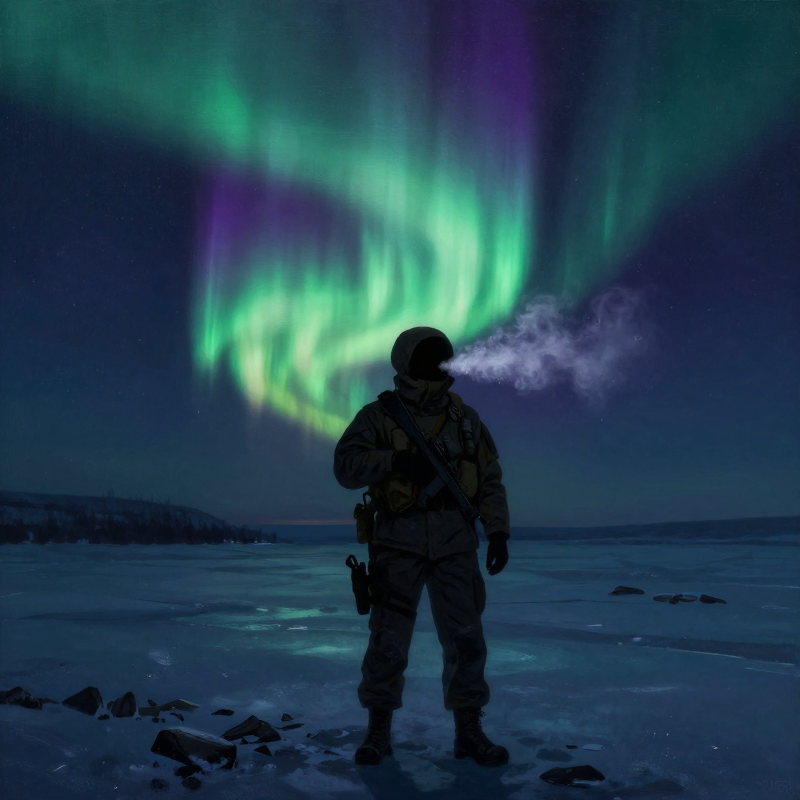
COLE BLACK
FICINT & Military Thriller
Near-future geopolitical thrillers rooted in real intelligence, real tactics, real cost.
FICINT & Military Thriller
Near-future geopolitical thrillers rooted in real intelligence, real tactics, real cost.
Three series. Nine published books. All rooted in real intelligence, real tactics, real geopolitical tensions.
Arctic standoff. 2045. A Chinese task force trapped, ice closing in, neither side knows what the other intends.
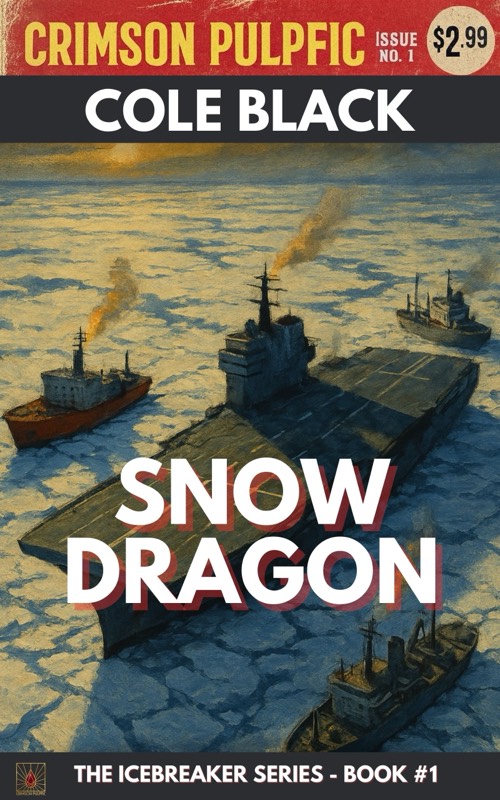
A Chinese naval task force enters the Northwest Passage until their nuclear icebreaker's reactor fails. Six ships sit frozen in Canadian waters, surrounded by ice that's closing in by the hour.
GET ON AMAZON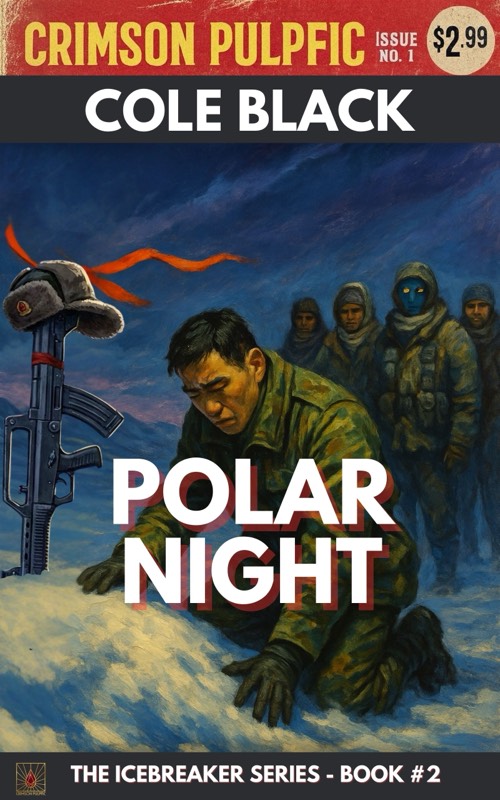
The standoff deepens as polar night descends. Both forces locked in position. The Chinese are slowly dying while Beijing insists nothing is wrong.
GET ON AMAZON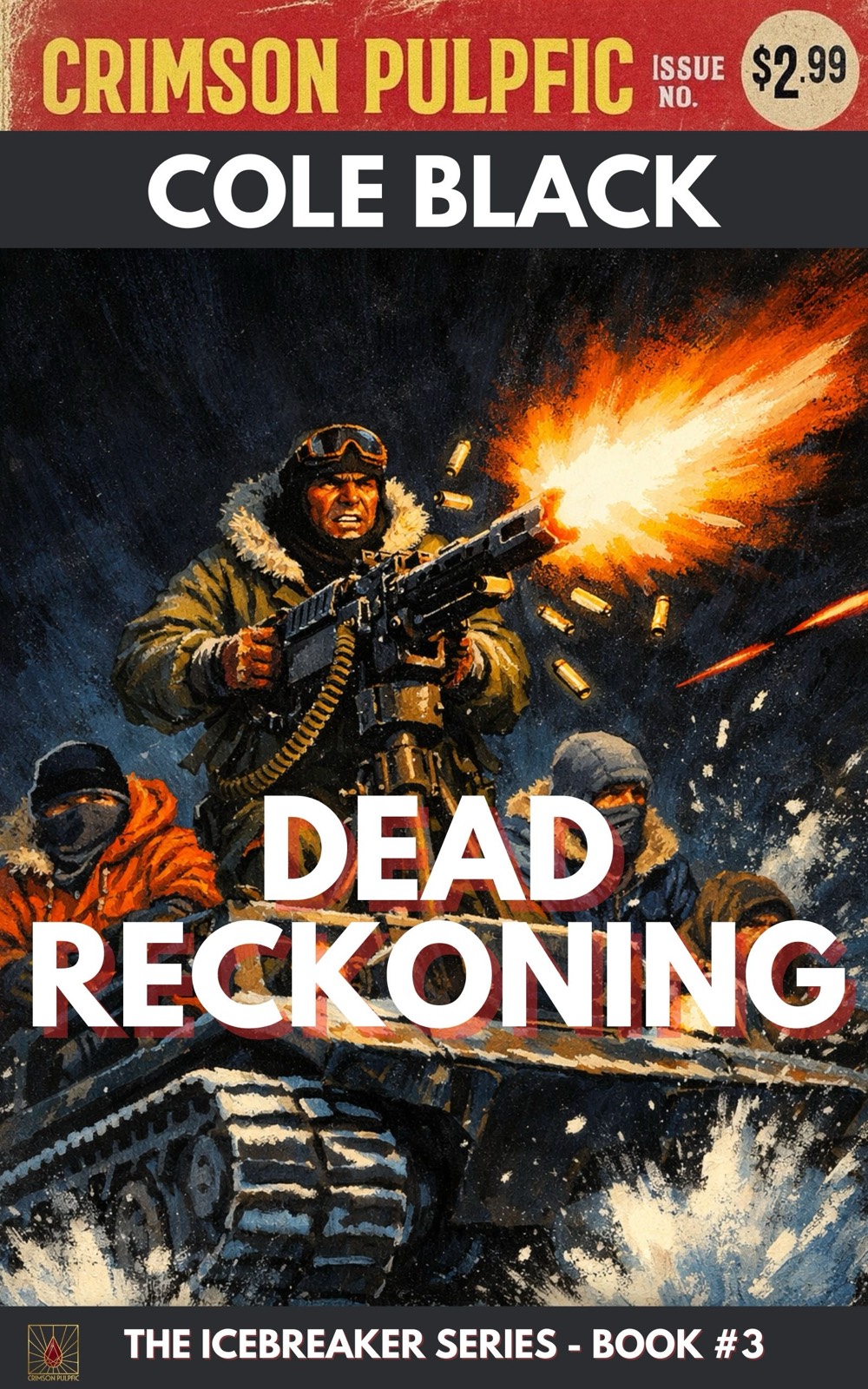
The reactor fails. 2,600 sailors and marines face an impossible choice: stay and die slowly, or walk 400 nautical miles across the Arctic in December with tropical gear.
GET ON AMAZON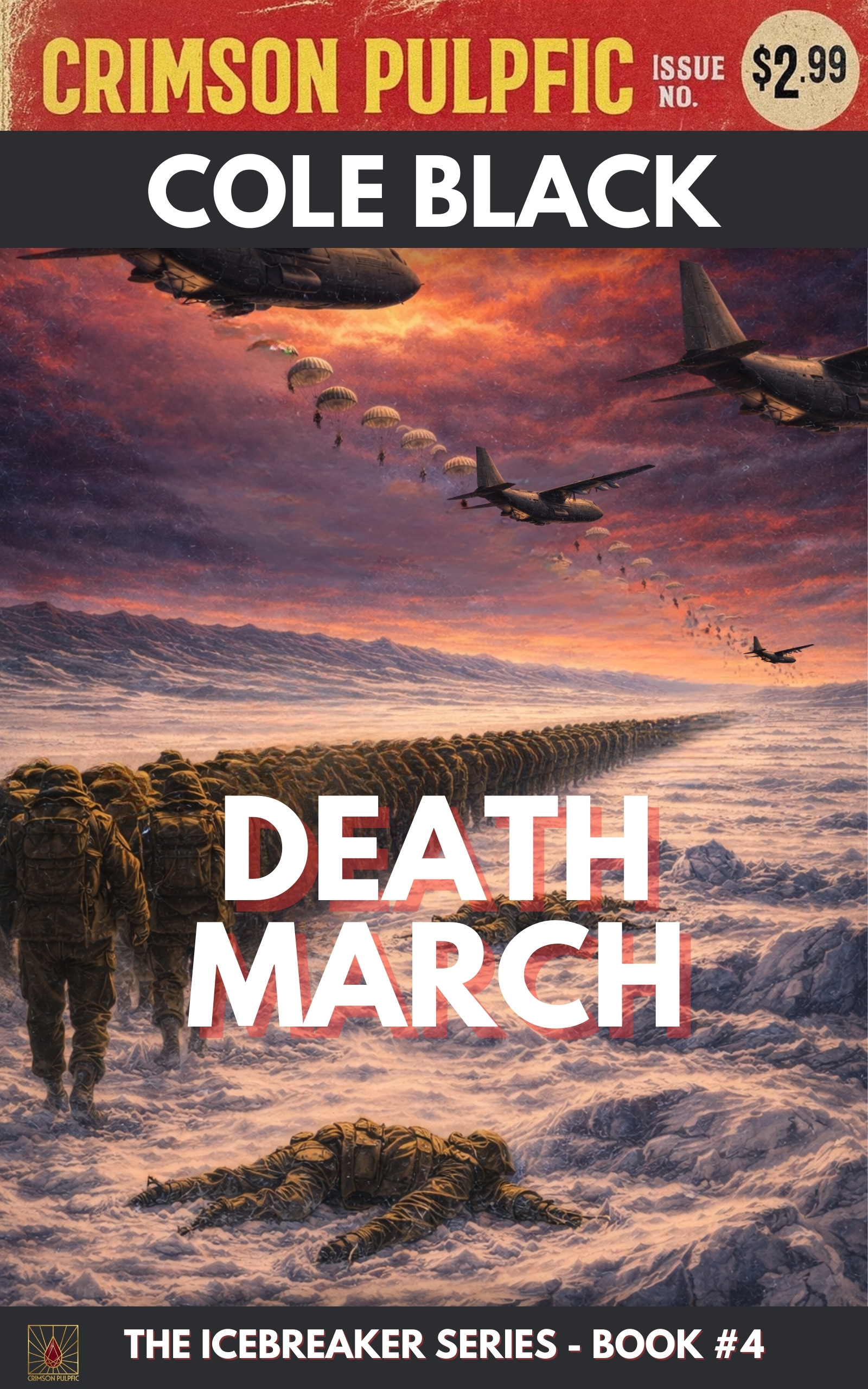
2,600 people. 360 kilometers. January in the Arctic. Tropical gear. The march has begun, and in the Arctic, pride kills faster than the cold.
GET ON AMAZONSpring 2028. A U.S. President invades Canada. Asymmetric resistance waged by ordinary people who refuse to kneel.
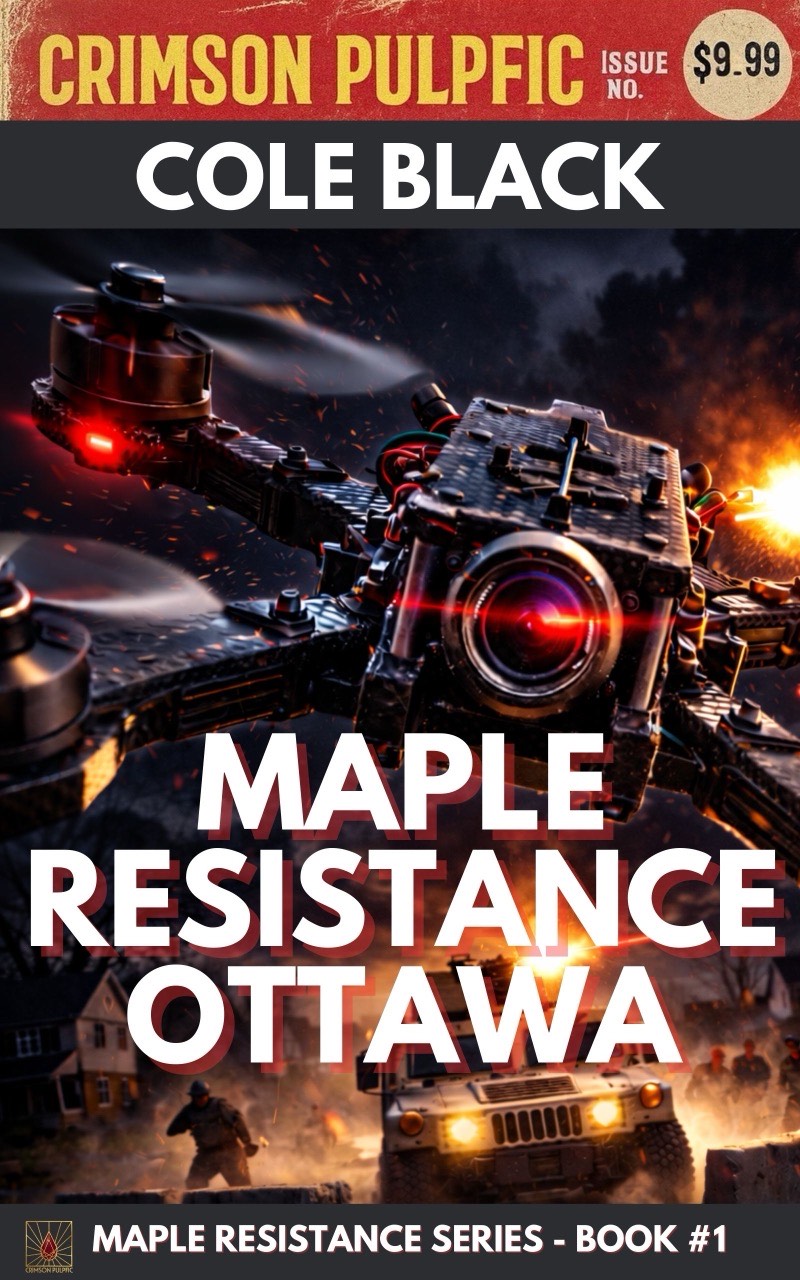
They smiled at the soldiers and learned their names. Then they used every word to plan the kill. Behind obedient smiles, a retired teacher runs a civilian drone resistance network.
GET ON AMAZON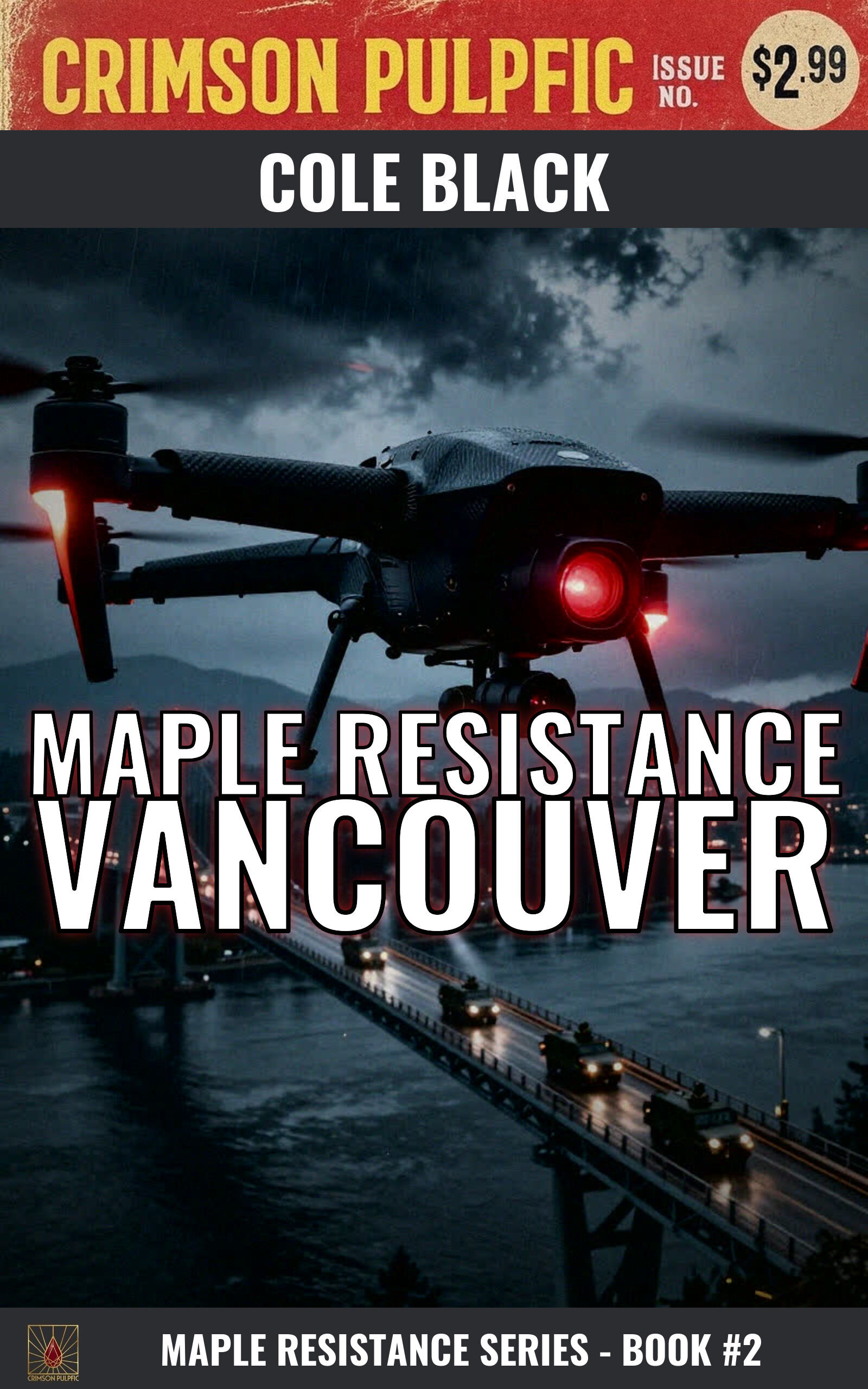
4,500 soldiers. Two million people. The math doesn't work. When a message arrives—We heard what you did. We need help—the resistance spreads west to a city with bridges, tunnels, and mountains.
GET ON AMAZON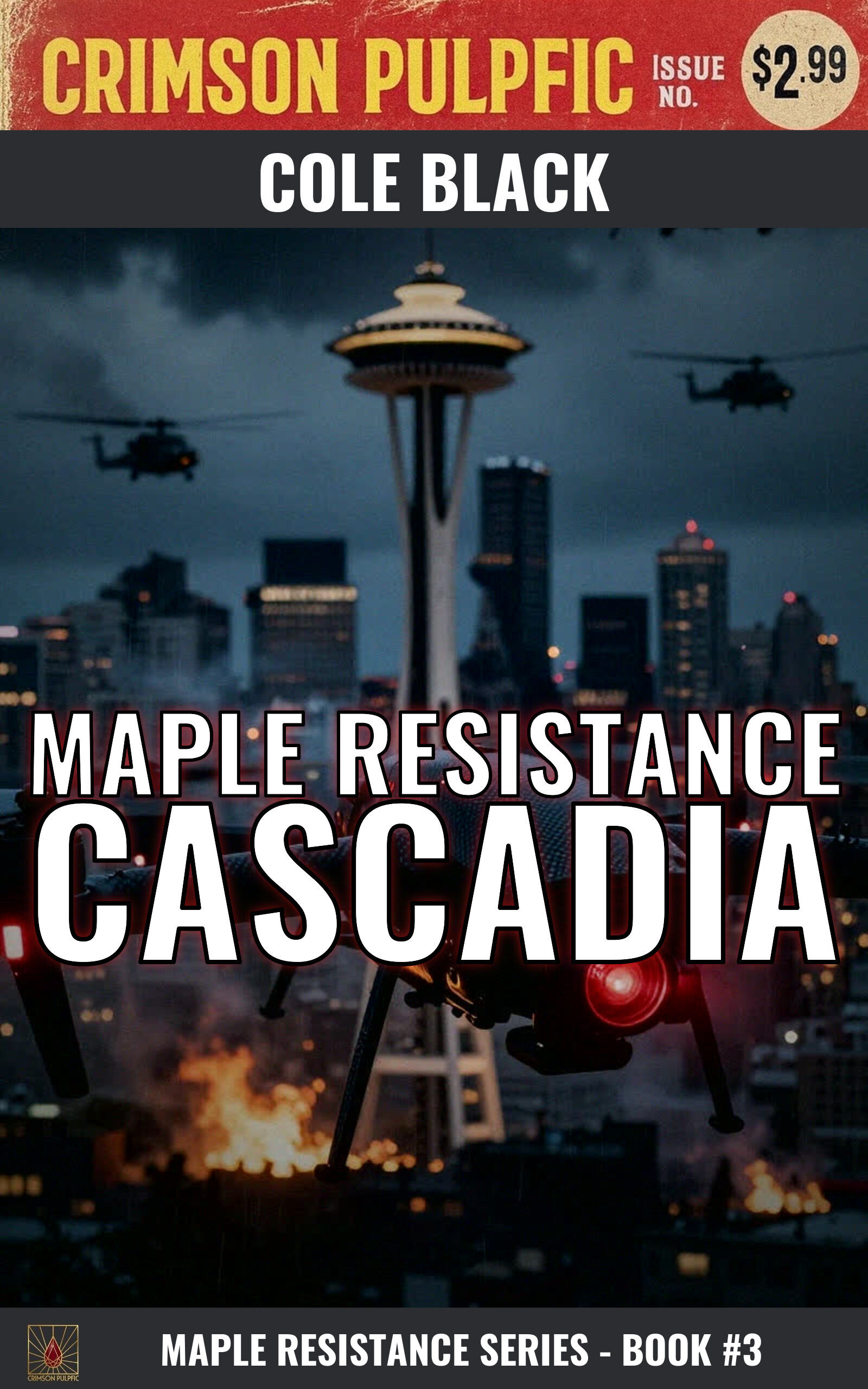
The occupation is over. The war is not. In a logging valley, a retired teacher runs a training camp where American resistance fighters learn the doctrine that broke an occupation.
GET ON AMAZON2026. U.S. military campaign against Iran. Twenty percent of the world's oil passes through eighteen miles of water.
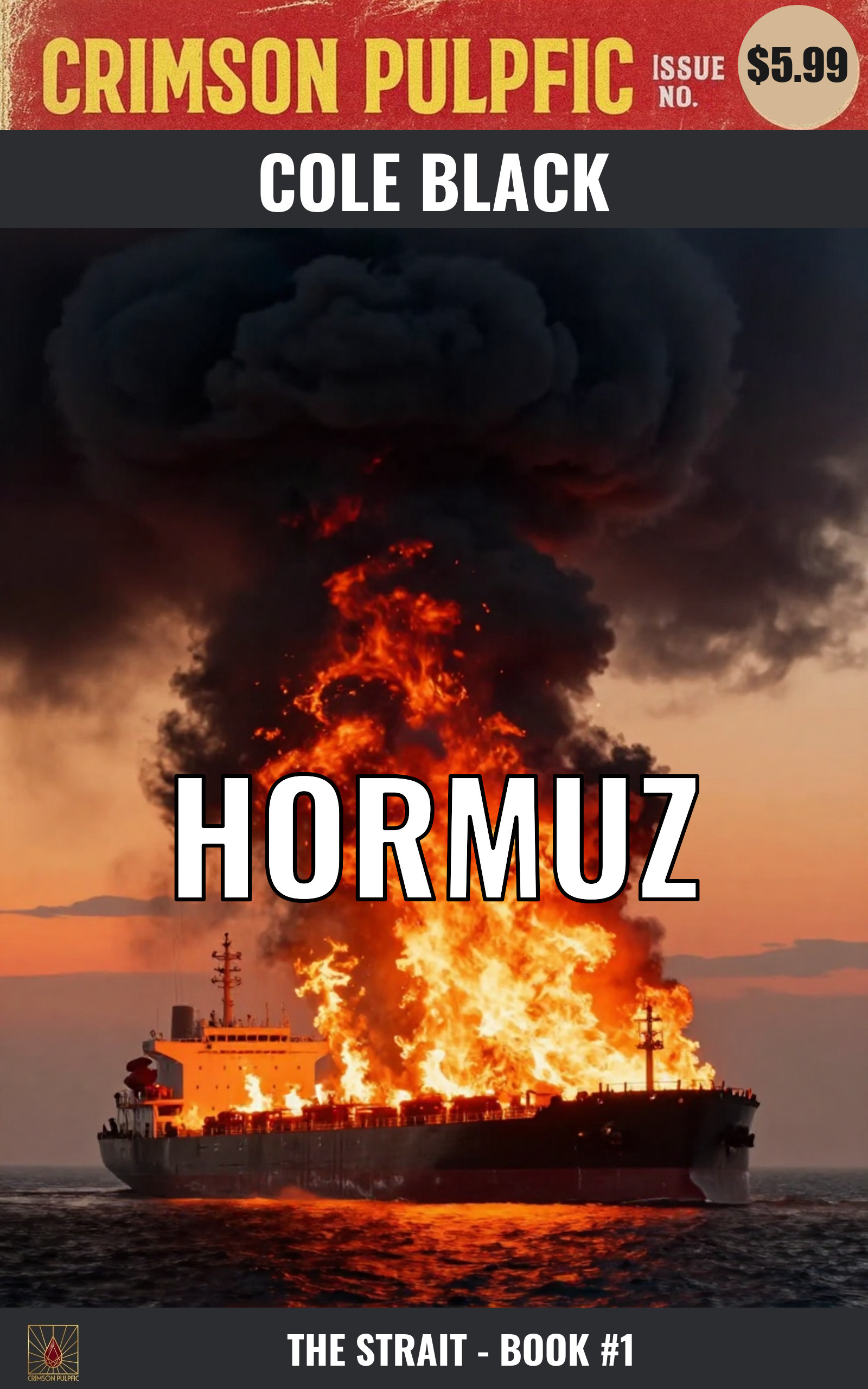
Commander Rourke has 72 hours and 384 missiles to force open the Strait. Iran has mines, coastal launchers, and something more dangerous: an insurance form. The war is won by whoever understands that the real battlefield is spreadsheets.
GET ON AMAZON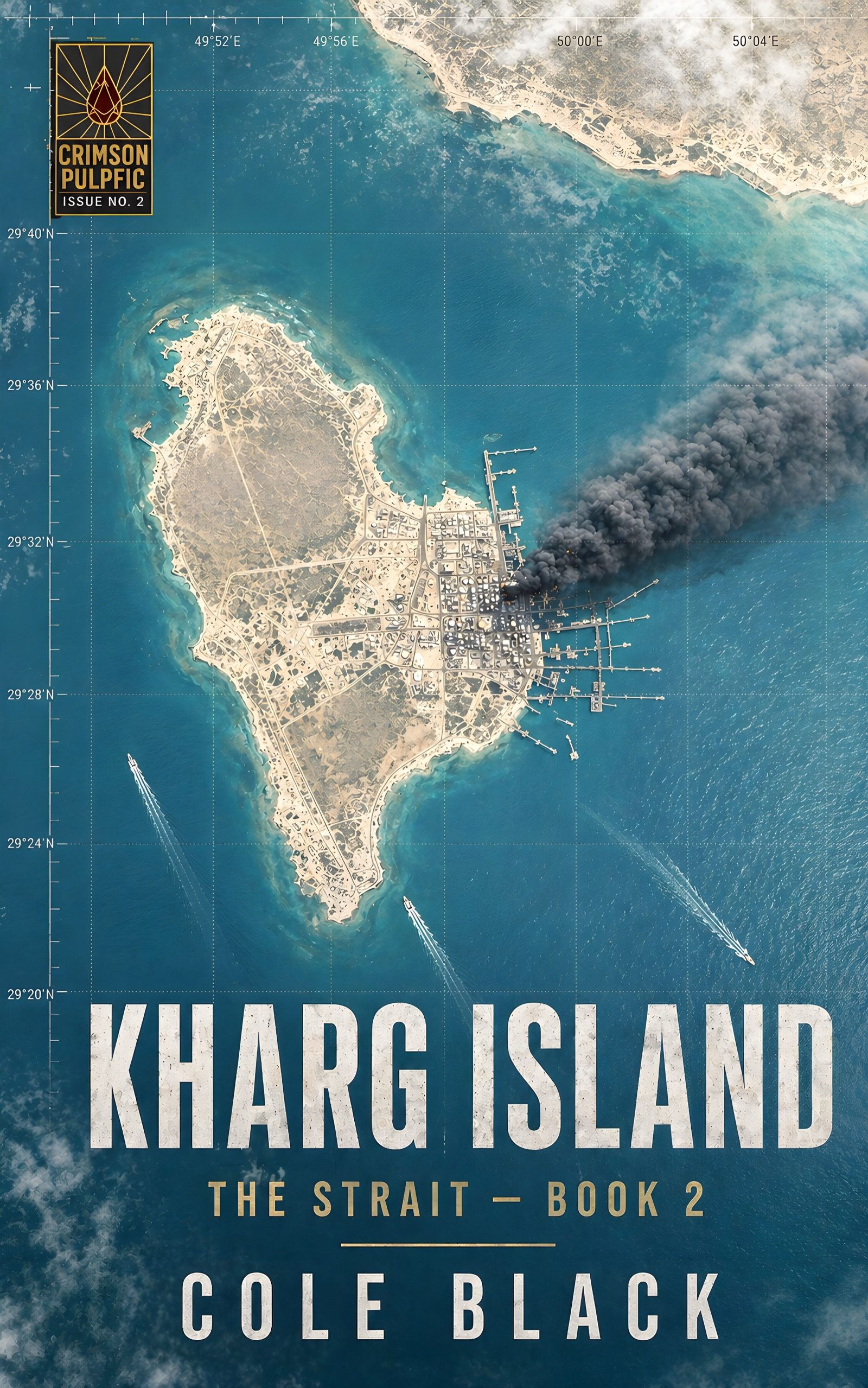
The Americans took the island. The Iranians made sure there was nothing left to take. The assault succeeds. The oil burns. And the institutional machinery grinds forward, indifferent to the cost.
GET ON AMAZONCole Black writes in the FICINT and geopolitical thriller tradition. Here's where he fits.
What FICINT is, how it differs from military action fiction, and what to expect from Cole Black's three series.
FICINT focuses on espionage, intelligence analysis, and the unglamorous reality of intelligence work. Unlike spy thrillers that glamorize espionage, authentic FICINT emphasizes tradecraft, OSINT (open-source intelligence), and how information becomes intelligence. The genre explores how analysts piece together threats, how operators make hard calls in hard places, and the moral compromises inherent in operating in the shadows. Tom Clancy, while more techno-thriller, helped popularize the intelligence-focused military novel.
Ice Breaker follows a Chinese naval task force trapped in the Canadian Arctic after a catastrophic reactor failure. As ice consolidates and both nations refuse to acknowledge the crisis, operators and analysts on both sides must navigate impossible choices where neither side wants a confrontation, but neither side knows what the other intends. The enemy isn't military—it's the cold itself, politics, and time running out. All four books comprise a single novel arc.
Maple Resistance opens in Spring 2028 when a U.S. President manufactures a crisis to suspend the election and invades Canada. The story follows Canadian civilians waging drone-based asymmetric warfare and American National Guard soldiers who never wanted to be there, humanized from both sides. It is a story about what ordinary people become when their country is taken from them—not heroes, but people learning to weaponize trust and survive occupation.
The Strait is set during a U.S. military campaign against Iran over control of the Strait of Hormuz, the chokepoint through which twenty percent of the world's oil passes. The series follows American naval commanders and Iranian officers as they realize that air superiority and kinetic dominance do not equal strategic victory. The real battlefield is spreadsheets, politics, and fear. The campaign succeeds tactically but fails strategically, teaching hard lessons about what happens when you win without a plan for what comes after.
No. Cole Black writes for readers who've been there and readers who want the real thing. His books teach military concepts, tradecraft, and doctrine as part of the narrative—never stopping the story to explain. First-time readers find themselves learning how resistance cells operate, how naval warfare and mine tactics work, or how drone doctrine evolves—all without feeling like a briefing. The story comes first; the teaching is seamless.