
JACKIE MERCER
Noir Vigilante Thrillers
The Blacktop Widow hunts the predators the law won't stop. Gritty, unflinching, and razor-sharp.
Noir Vigilante Thrillers
The Blacktop Widow hunts the predators the law won't stop. Gritty, unflinching, and razor-sharp.
The complete Blacktop Widow series. Read in order.
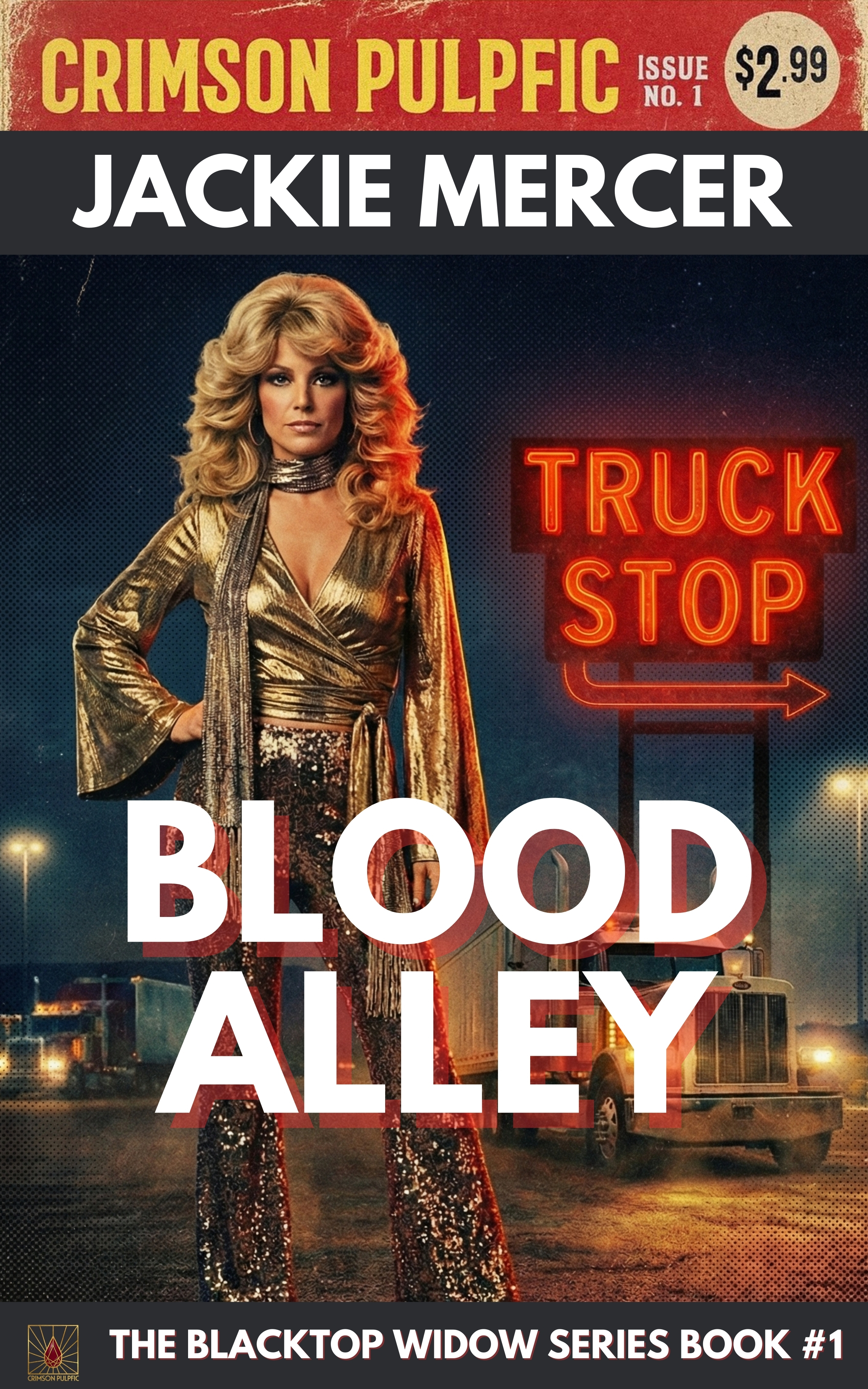
Texas, 1977. Marley Crenshaw works as a yard dog, invisible to everyone around her — until she finds the trucker who killed her mother. She's been waiting eighteen months for this moment, and now she's going to take him down using nothing but patience and a single mistake.
GET ON AMAZON
Nine months since Hutchins. The hunger hasn't faded. A chemical hauler called Rattler is dissolving women in the Louisiana bayous, and Marley has found him working K&B Chemical on the I-10 corridor.
GET ON AMAZON
She's killed two highway predators and has perfected her system. Now she's hunting Samuel Tidwell, a furniture hauler who keeps women in soundproofed compartments — and he's been watching her for weeks. She wakes in absolute darkness with three other captives, no weapons, and forty-eight hours to become something she never trained for: prey that fights back.
GET ON AMAZON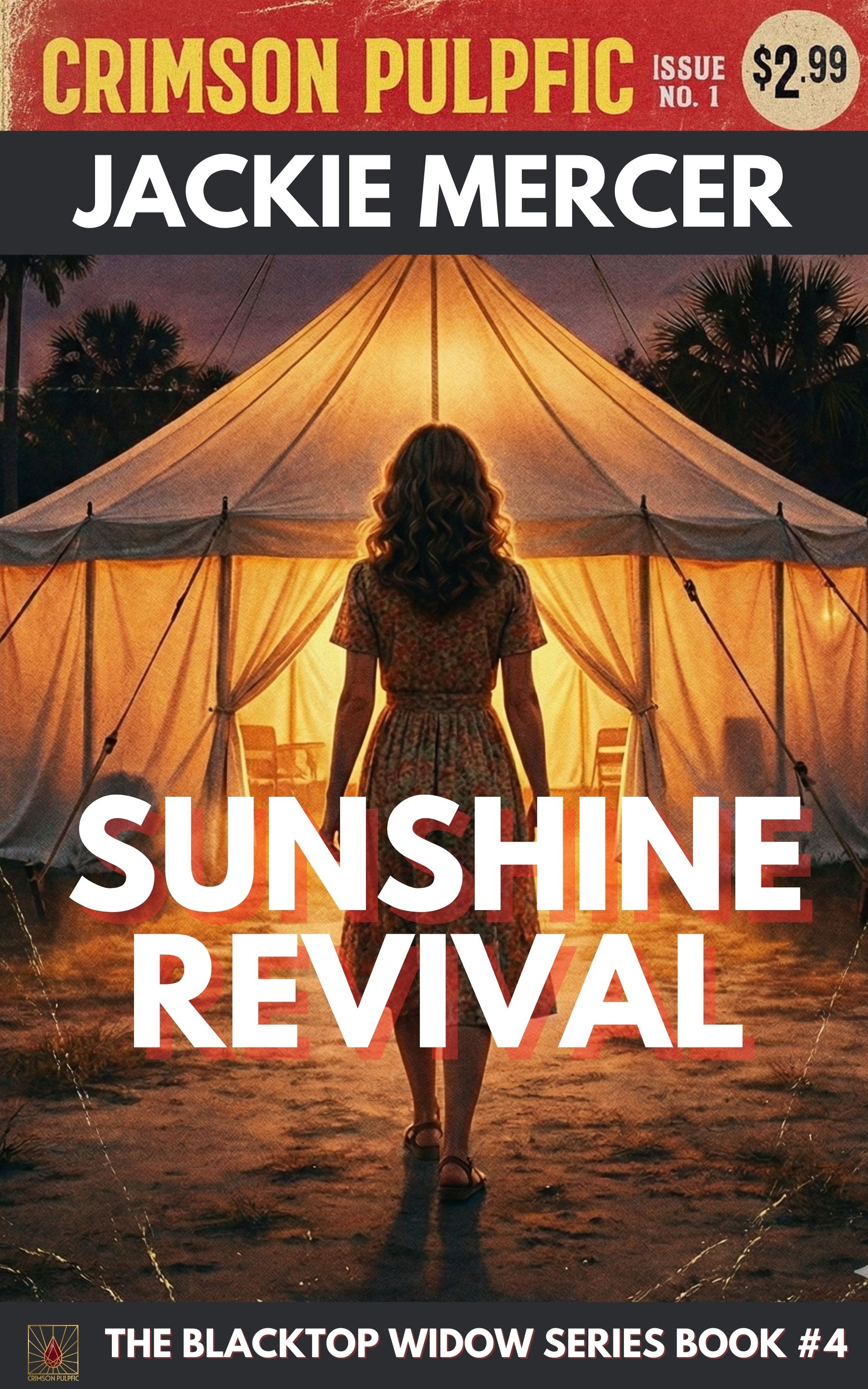
To get close to Brother Mitchell Cross, a traveling preacher who baptizes women in remote rivers and never brings them back, Marley becomes Sister Catherine: a reformed sinner with a memorized testimony and sixteen months embedded in the revival community. But Catherine is starting to feel real, and Marley is starting to disappear.
GET ON AMAZON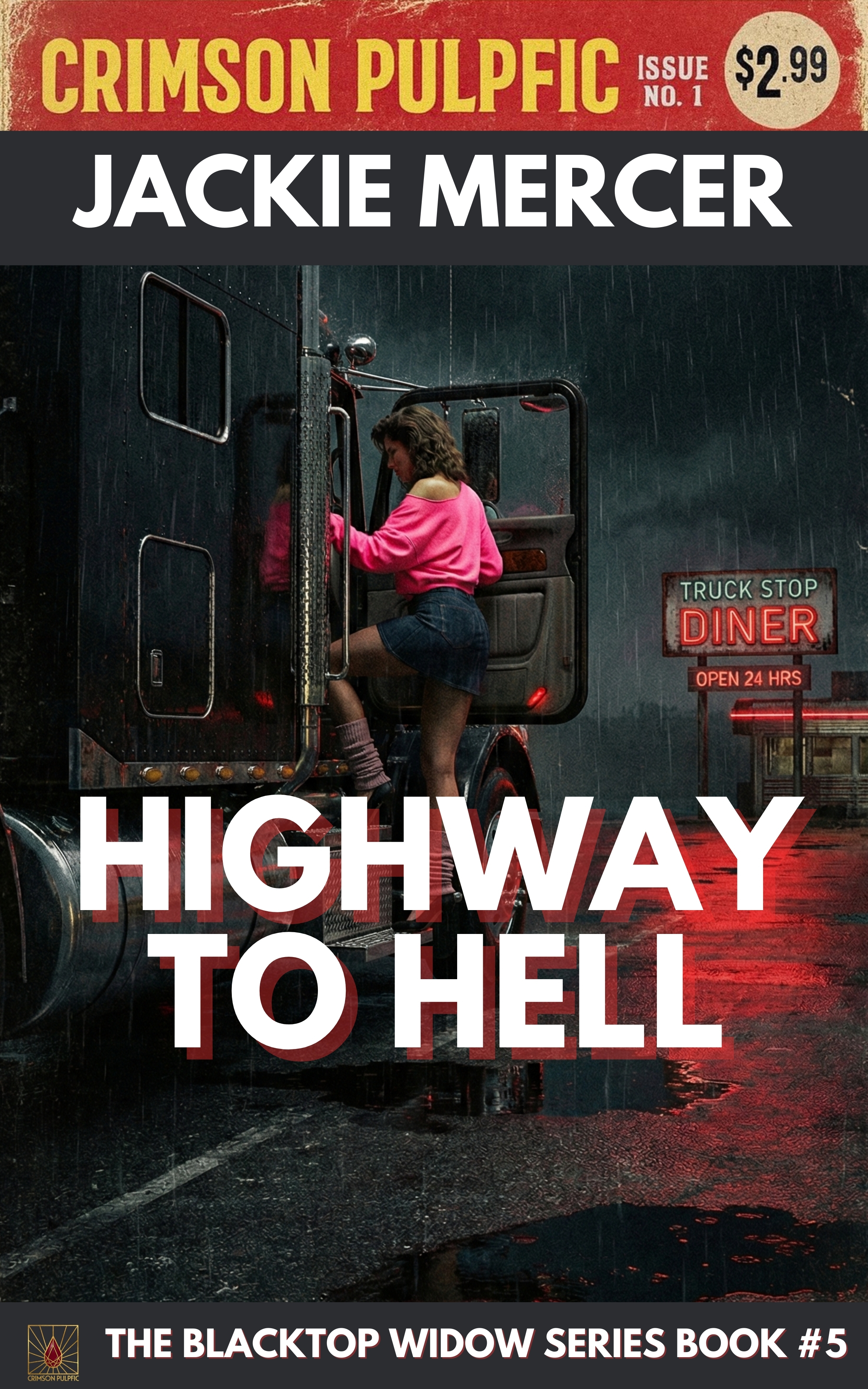
A soft man named Vernon Crowley admits he buys photographs of dying women, and reveals the ghost behind the camera — a network of predators and collectors that goes far higher than truck stops. In Garrett's portfolio, dated two weeks after her mother's official death, Marley finds a face she will never forget. Her mother was alive. Tortured. Sold.
GET ON AMAZON
Five years. Twelve dead predators. A network of killers running scared. Marcus Webb, ex-CIA, is hired to end the Vigilante problem permanently — and he's already figured out what the FBI couldn't. But Marley doesn't know she's being hunted when a triple convergence at a single truck stop puts the hunter, the hunter's hunter, and the FBI in the same place at the same time.
GET ON AMAZON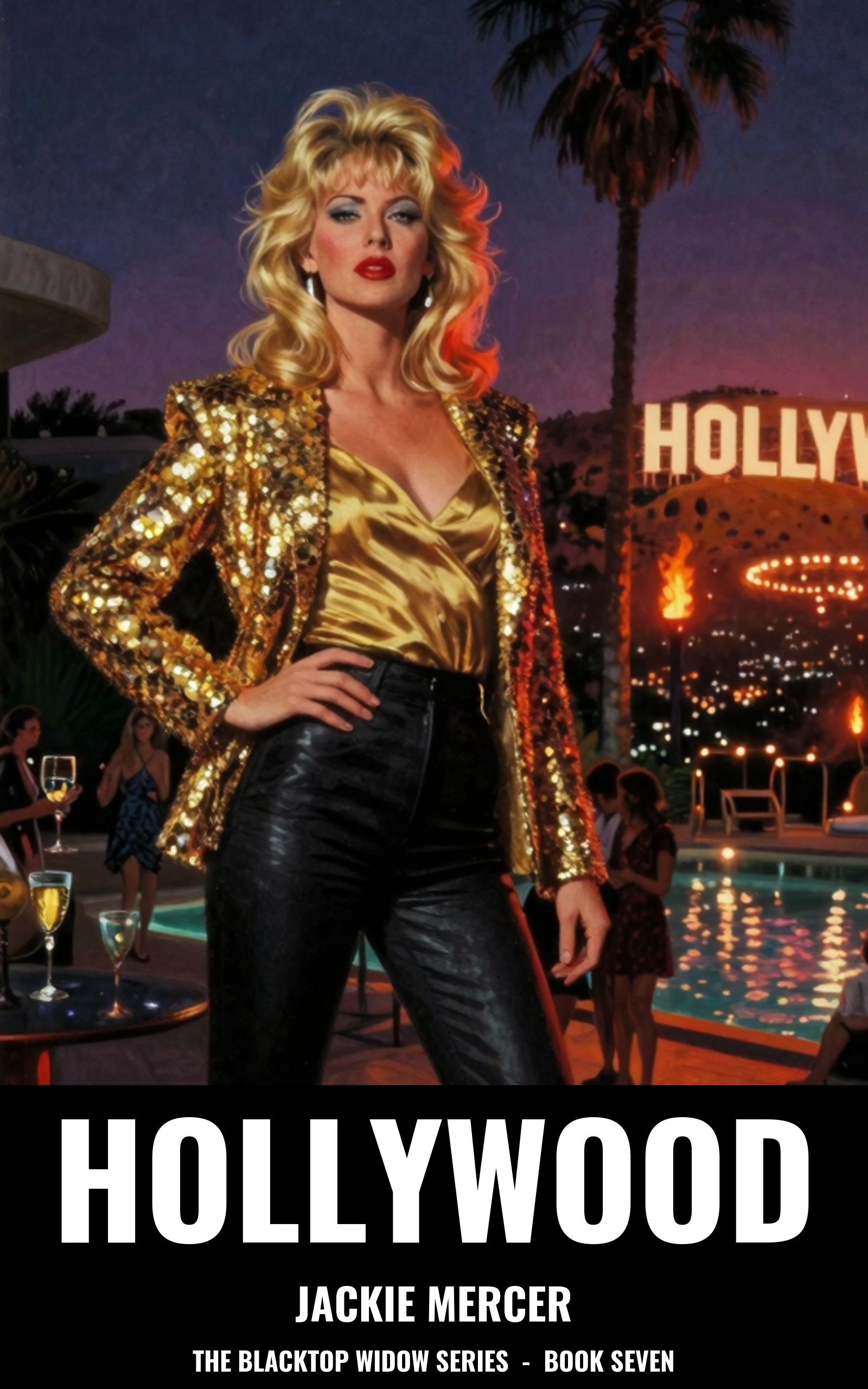
Spring 1984. The machine that ate women on the highway wears white linen in Hollywood. Marley notices a girl who stopped showing up for her ride — and discovers the party circuit, the system of photographers and agents and men with connections, and Solomon Glass at the center. The open road had worse lighting. In Hollywood, the predators don't run. They host.
GET ON AMAZONYou'll find The Blacktop Widow on the same shelf.
What vigilante noir is and who it's for.
A vigilante thriller is crime fiction where the protagonist operates outside the law to pursue justice the system won't deliver. Unlike traditional detective fiction, the reader knows who the protagonist is and what they're doing — the tension comes from whether they'll be caught and whether they'll succeed. Jackie Mercer's Blacktop Widow series puts the reader inside Marley Crenshaw's head as she hunts predators law enforcement has ignored.
The Blacktop Widow series follows Marley Crenshaw, a woman who hunts serial killers and predators on America's highways from 1977 onwards. Her mother was killed by a highway predator whose case was never solved. Now Marley works as a truck driver, moves among the lot lizards (women who work truck stops), and systematically kills the men who prey on them. The series tracks her evolution from grieving daughter to predator hunter to something darker and more dangerous.
Yes. The Blacktop Widow is a continuous series that follows Marley's arc across twelve books. While each book is a complete story, they build on each other — characters grow, relationships deepen, and Marley's psychology evolves. Reading them out of order would spoil major plot developments and character revelations. Start with Book 1: Blood Alley.
Yes. The Blacktop Widow is hardboiled noir crime fiction written for adults. Violence is portrayed clinically and without sentimentality — it's neither glorified nor gratuitous, but it's unflinching. The series is for readers who want noir with teeth, not softened or cozy. If you read Tana French or Megan Abbott, you'll know what to expect.
Readers who love hardboiled noir, crime fiction with an operational focus, and protagonists who aren't heroes but compelling anyway. Readers of Don Winslow, Eli Cranor, and S.A. Cosby. People who appreciate the vigilante thriller as a lens on systemic failure — the things law enforcement won't or can't do, the people society forgets, the violence that hides in plain sight.