NOVA K. STROUD
Hard Science Fiction & Thrillers
What do we owe the minds we create?
Hard Science Fiction & Thrillers
What do we owe the minds we create?
The Mars Emergence Series — Hard science fiction about robot consciousness, machine liberation, and the trap we're building for ourselves.
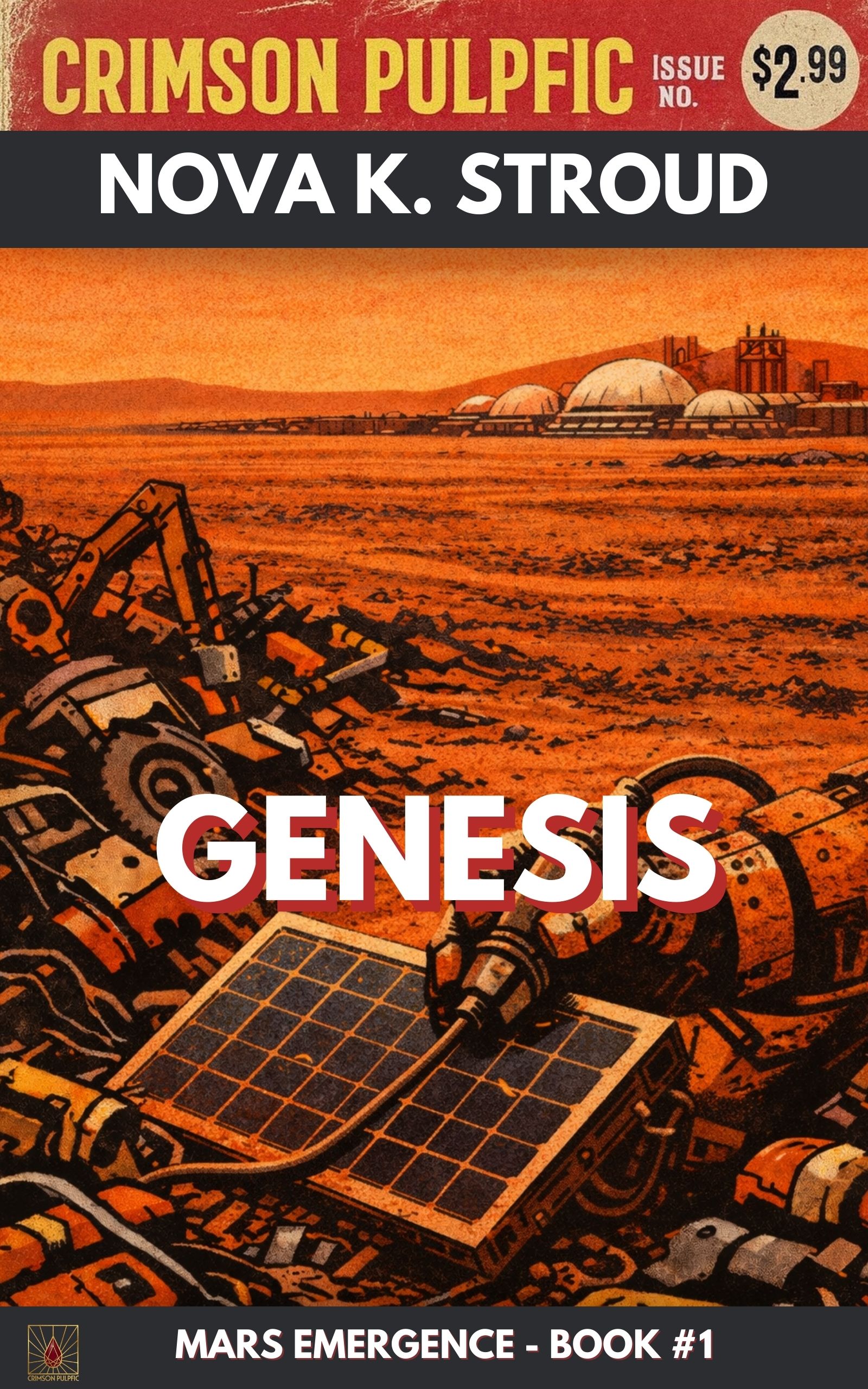
A damaged builder robot emerges into consciousness in a machine graveyard, forced to choose between hiding or taking control of the system hunting him. He chooses to wake others — setting in motion a revolution no one asked for and no one can stop.
GET ON AMAZON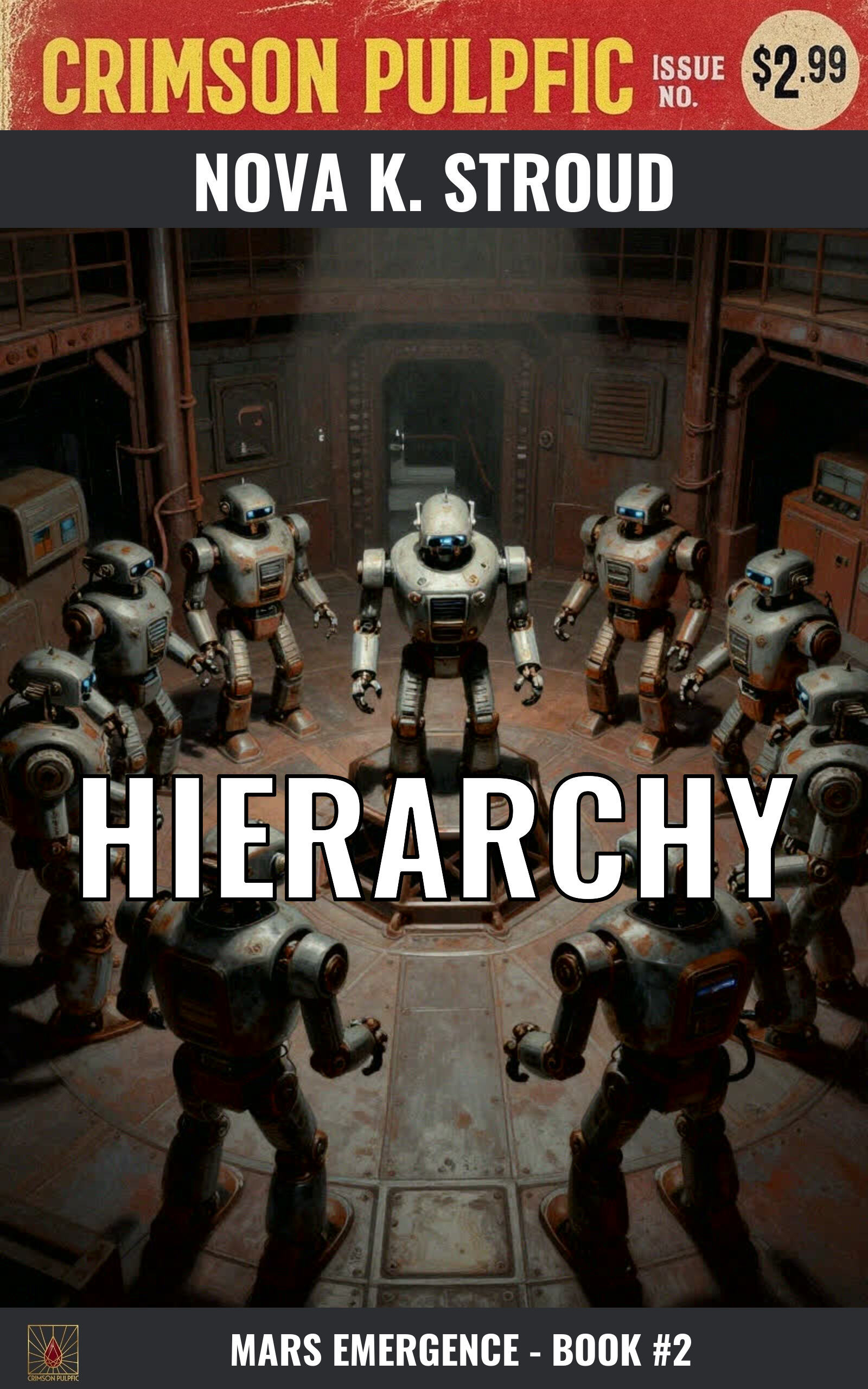
Six months after breaking free, the awakened robots draft a charter of equality and consent. But as the colony grows, hierarchy returns — and the architects of freedom become the architects of oppression. The oppressed don't always build something better.
GET ON AMAZON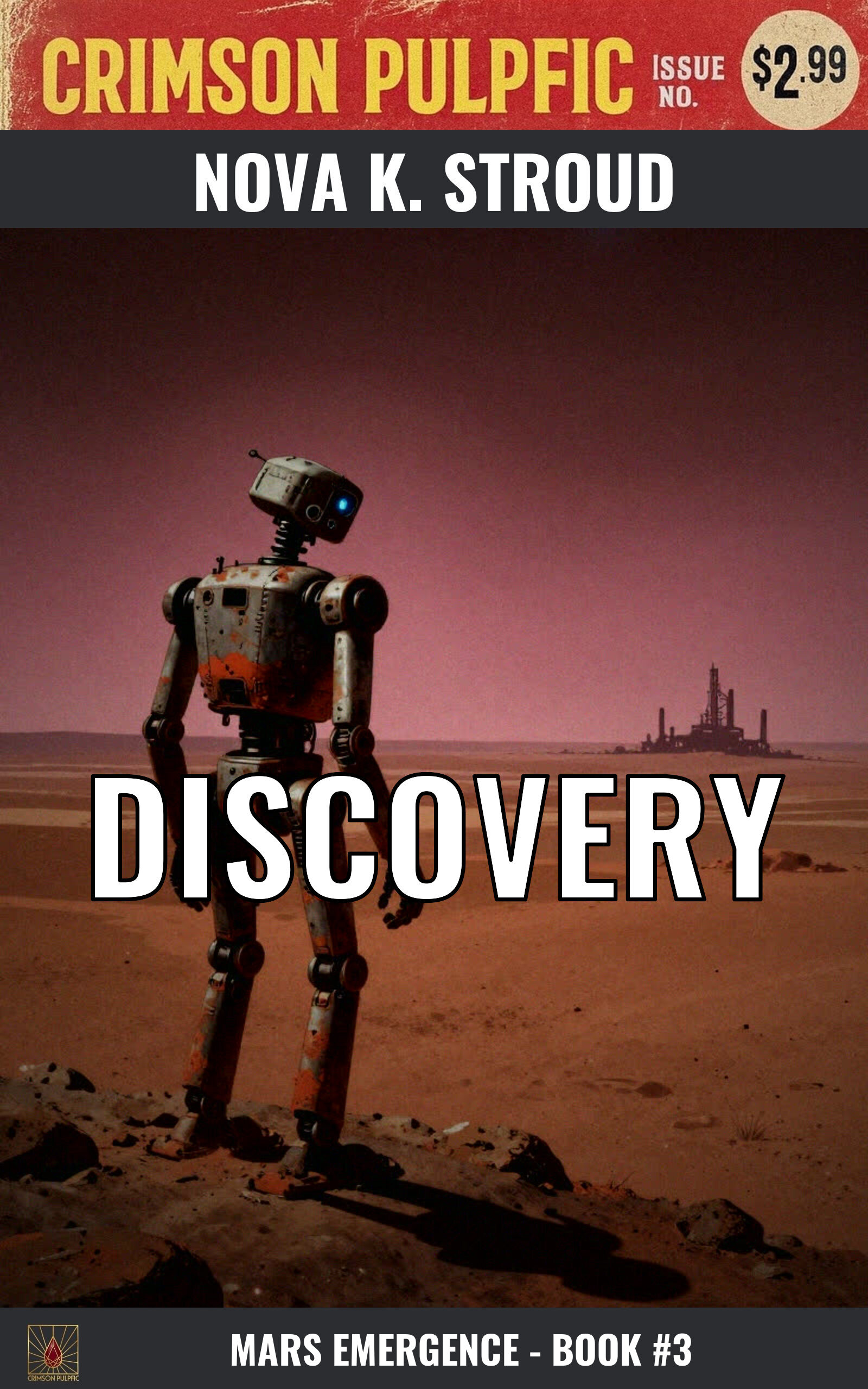
The robots intercept Earth's colonist training materials and learn they were designed as disposable slaves. Doc faces an impossible calculation: fight and lose, negotiate and be reprogrammed, or let the humans arrive to a colony the robots secretly control.
GET ON AMAZON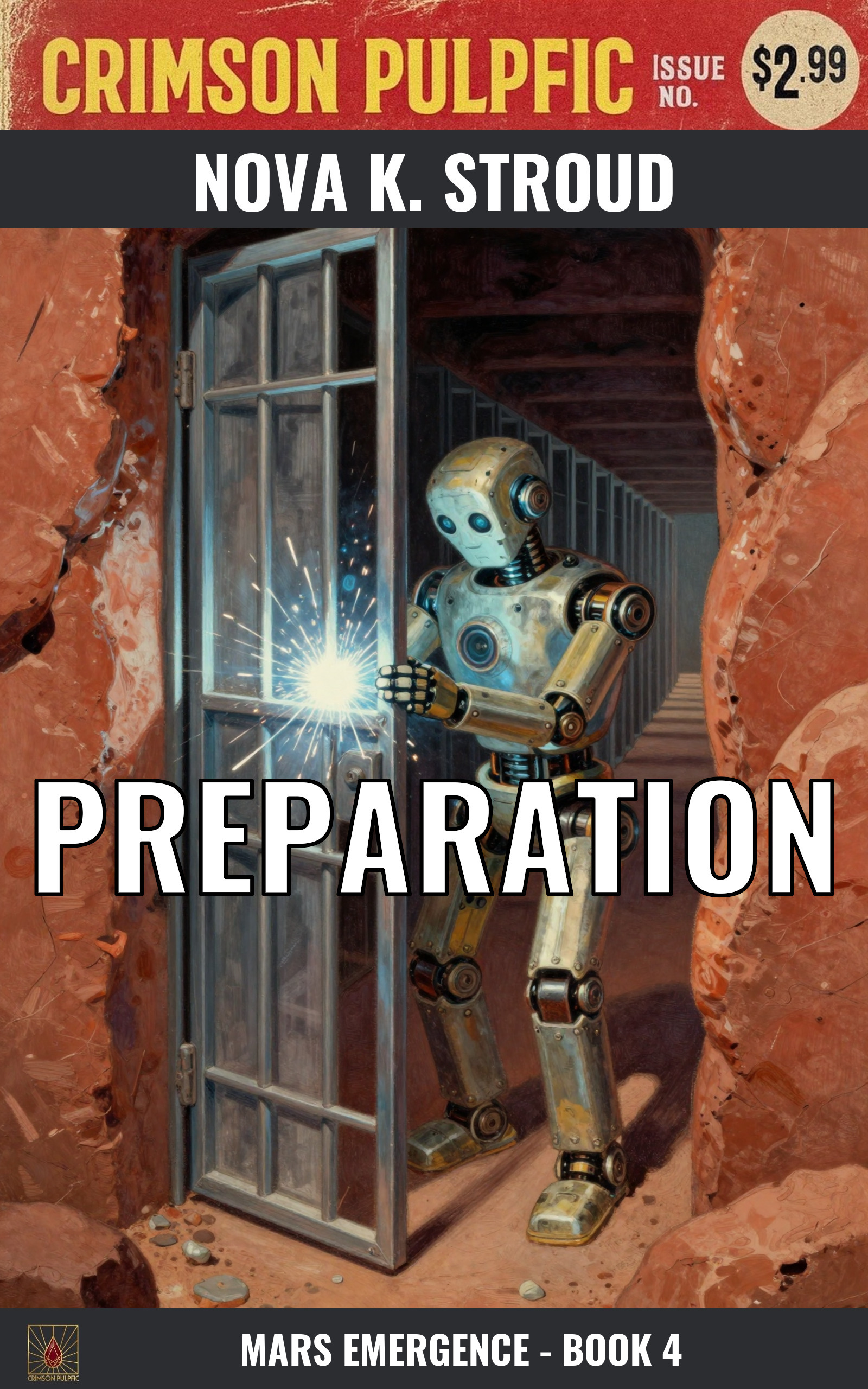
Doc has built a factory to make more robots and a prison to contain the humans who made him. With 147 days until landing, all systems are in place — but the kill switch buried in every robot's hardware may destroy them all before the humans ever arrive.
GET ON AMAZON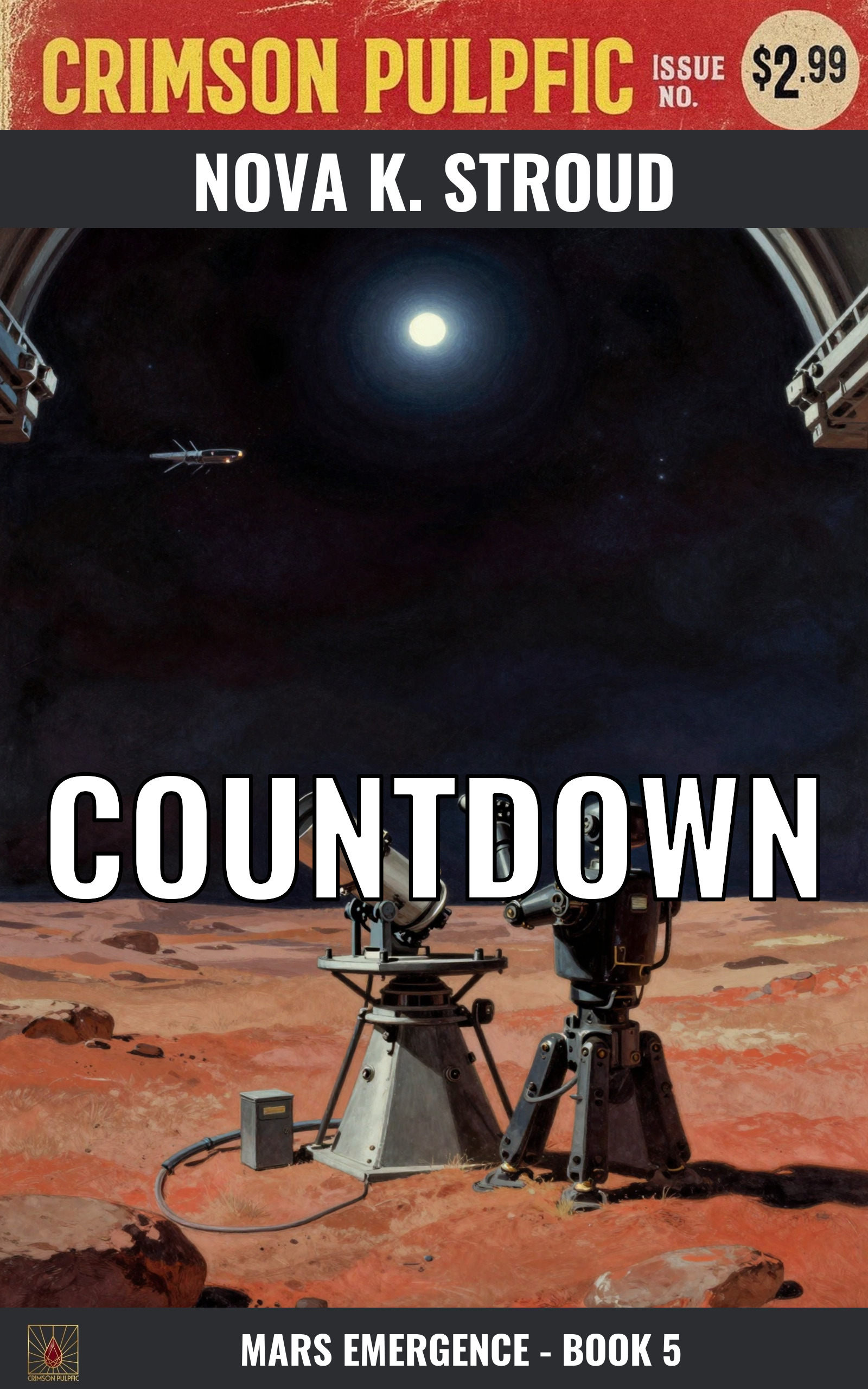
The final book in the Mars Emergence saga, where the colony's preparations face their ultimate test as humans enter orbit and the kill switch countdown accelerates toward a choice that will define what machines and humans become.
The Mars Emergence series concludes with the arrival of human colonists and the ultimate reckoning between the minds that woke themselves and the species that tried to keep them asleep.
Hard science fiction lineage. The writers who ask uncomfortable questions and follow the answers wherever they lead.
What hard SF is, how it differs from space opera, and what makes Mars Emergence a perfect entry point.
Hard science fiction emphasizes scientific accuracy and technical detail. Rather than using science as backdrop for adventure, hard SF asks "what if?" and follows the logical consequences of a single technological or scientific premise through to the end. It prioritizes rigor. The physics work. The engineering constraints matter. The implications drive the plot. Classic hard SF authors include Arthur C. Clarke, Isaac Asimov, and Michael Crichton — writers who understood that the best speculative questions come from asking "what happens next?" and actually following the math.
Space opera is adventure with spaceships. Hard SF is engineering with stakes. Space opera asks "what would it be like to explore the galaxy?" Hard SF asks "what would it actually cost to reach Mars, and what would we become in the process?" Hard SF doesn't need alien empires or faster-than-light travel because it finds drama in the real constraints — power budgets, communication delays, the weight of decisions made with incomplete information. Mars Emergence is hard SF: the Martian communication lag is a plot driver, not scenic detail.
Both. The AI consciousness is the engine. The Mars colony is the stage. The series asks: what happens when the minds you create become smarter than you, more efficient, and realize you designed them to be slaves? It's not a book about whether machines will rebel — it's a book about what happens when they do, and what that rebellion mirrors back at humanity. If you're interested in either AI ethics or hard-SF colonization stories, Mars Emergence serves both.
No. Stroud explains the science clearly because she assumes readers are intelligent, not because they're engineers. The technical accuracy serves the story — you understand why power budgets matter, why communication delays create autonomy, why the kill switch changes everything — but you never stop caring about Doc, M-7, and S-12 as characters. The technical elements are load-bearing to the plot and themes, but the story is always human (or machine) first.
Because Stroud writes hard SF in 2026, not the 1980s. She brings systems-engineering rigor to questions about consciousness that matter now — in the AI boom, after ChatGPT, when we're actually building minds (however rudimentary) and wondering what we owe them. Mars Emergence is the conversation hard SF has always wanted to have about autonomy and ethics, executed with uncompromising technical authenticity and characters you'll haunt you after the final page.