APPLE VOSS
Psychological Thrillers & Domestic Dread
Unreliable heroines. Invited threats. A twist by chapter nine.
Psychological Thrillers & Domestic Dread
Unreliable heroines. Invited threats. A twist by chapter nine.
The Invited — a linked anthology of four psychological thrillers. Each book stands alone. Each opens with a woman inviting someone into her life and closes with a question she won't be able to stop asking.
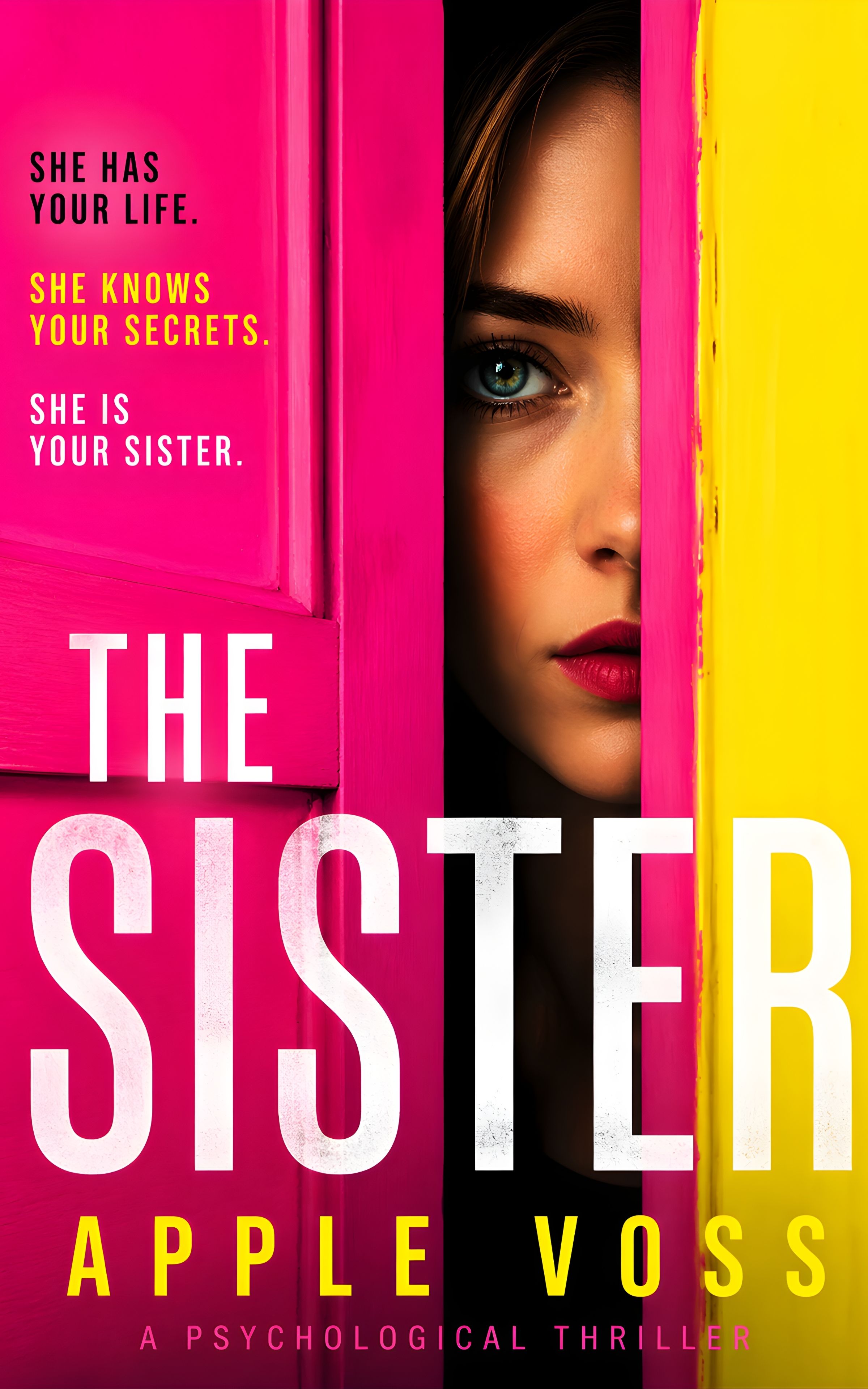
Sarah's estranged younger sister appears after a decade with a duffel bag and a notebook filled with Sarah's schedule, husband's address, and months of surveillance. When she moves into the guest room, Sarah realizes this isn't a visit — it's the execution of a plan.
GET ON AMAZON
Claire hired a contractor for a bathroom renovation and watched him systematically inflate damage estimates while her husband defended every escalation — because admitting his wife was right would mean admitting he'd been played. By the time she finds her address circled in his truck with a price tag of $620,000, she understands this was never about the house.
GET ON AMAZON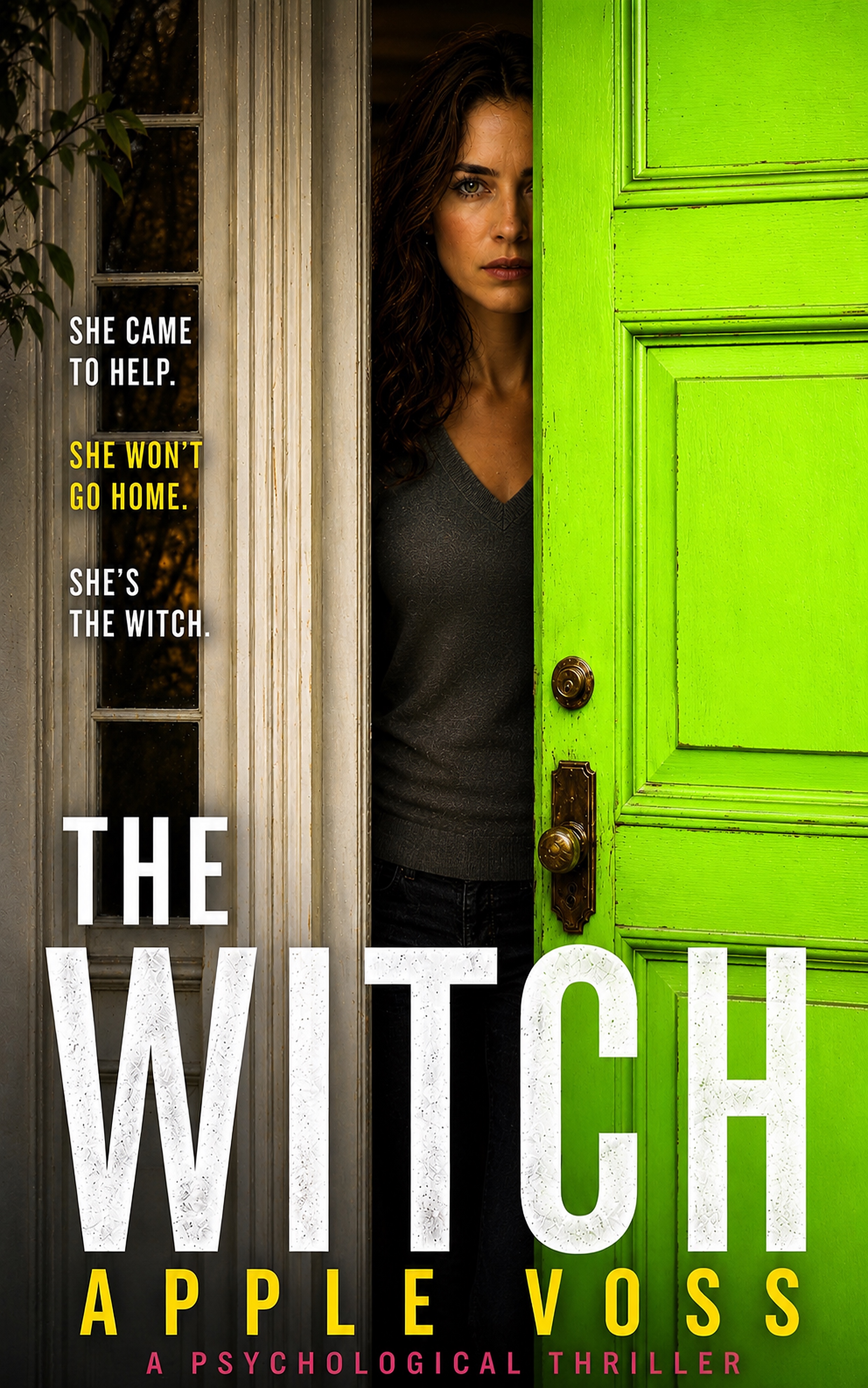
Grace has made herself indispensable through years of caregiver control—documented in her own hand with margin glyphs only she understands. When her husband's sister arrives to help with his recovery, she begins to decode what Grace has been unconsciously building, and by chapter nine, Grace realizes the sister knows what she did.
GET ON AMAZON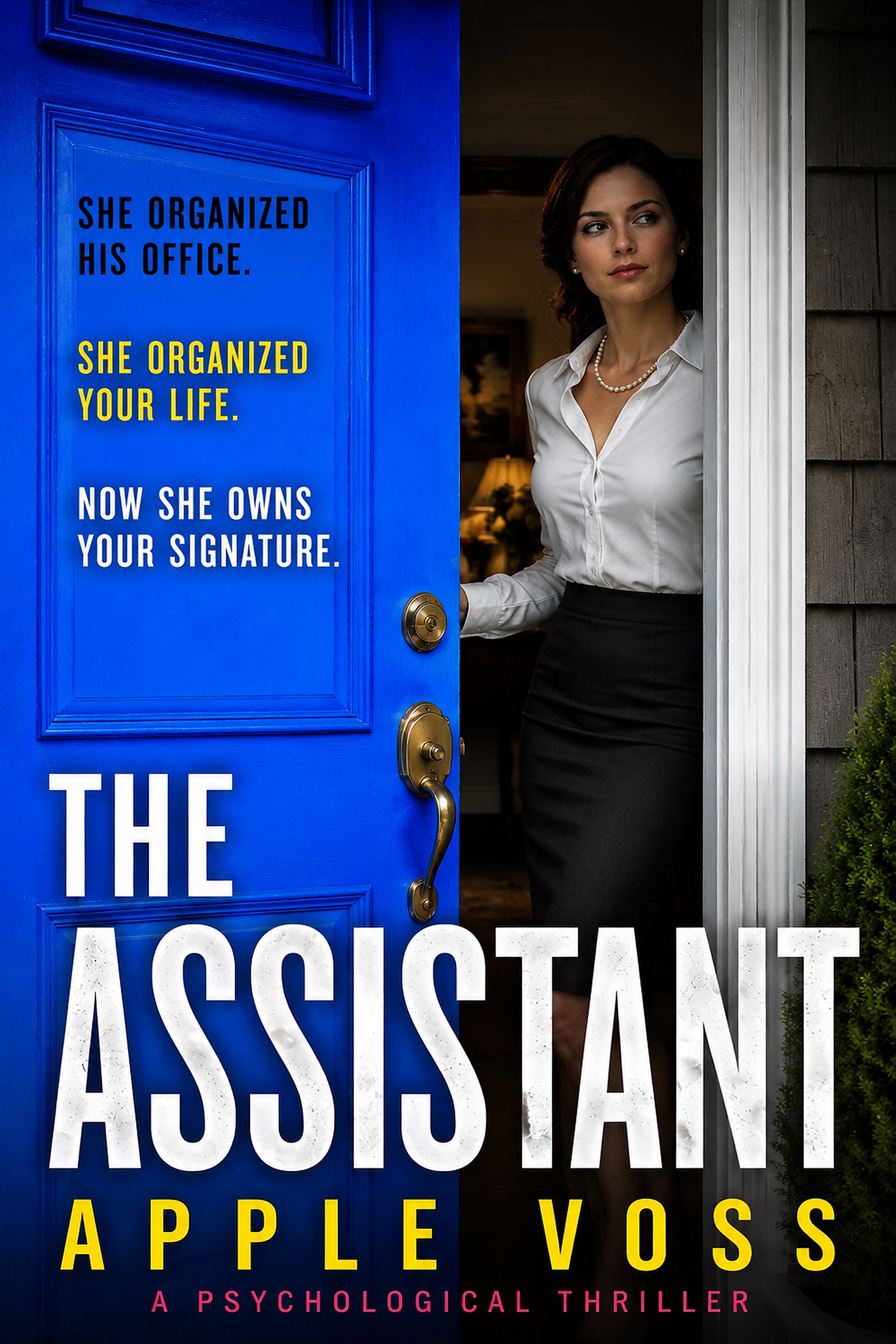
Margaret's husband hired a professional assistant who immediately made better coffee than Margaret had in twenty years and became invisible in exactly the way Margaret's husband preferred. When she finds her own calendar being managed by someone else's email, Margaret understands that competence is being read as obsolescence.
GET ON AMAZONApple Voss writes in the domestic psychological thriller lane. If these writers are on your shelf, The Invited belongs there too.
Understanding the lane where Apple Voss writes.
A psychological thriller trades explosions for doubt. The threat lives inside the protagonist's perception — her memory, her marriage, her sense of who she is — and the reader is never sure whether to trust her. The genre runs from Daphne du Maurier's Rebecca through Patricia Highsmith to modern practitioners like Freida McFadden, Lisa Jewell, and Ruth Ware. Its defining ingredient is dread as a slow-building architecture rather than a jump scare.
The Invited is a linked anthology of psychological thrillers set in domestic spaces where women invite trusted figures into their homes — a sister, a contractor, a nurse, an assistant — and discover that the lives they built were being renegotiated without their consent. Each book stands alone with a different heroine and a different invited threat, but all share the same spine: domestic dread that pivots by chapter nine, not the final page.
No. Each book in The Invited is a complete, standalone story with different characters, settings, and conflicts. The books share thematic DNA — the premise of invitation, the architecture of dread, the first-act twist — but you can start with any title. That said, many readers enjoy reading them in order to experience how the series evolves the central idea.
The books are psychologically dark but not graphically violent. The threat is domestic, often subtle, and rooted in betrayal and perception rather than action. The darkness lives in what characters do to each other through manipulation, withholding, and coalition-building. There is no gore, no on-page assault — only the slow stacking of wrongness and the heroine's dawning realization that the people closest to her are not who she thought.
Domestic suspense is a thriller that takes place in intimate settings — homes, marriages, families, workplaces — rather than in undercover operations or criminal underworlds. The threat is someone the protagonist knows and has allowed into her life. The suspense comes from the slow recognition that a trusted figure is not trustworthy, and the heroine must navigate the danger without leaving behind the life and people she loves. Apple Voss writes in this lane: the ordinary made sinister.