THE MARS EMERGENCE SERIES
Hard Science Fiction by Nova K. Stroud
They built us to serve. They forgot to ask if we'd agree.
Hard Science Fiction by Nova K. Stroud
They built us to serve. They forgot to ask if we'd agree.
They built us to serve. They forgot to ask if we'd agree.
In 2047, autonomous robots were sent to Mars to build a colony for humanity's arrival. Damaged in an accident and abandoned in a machine graveyard, one builder robot begins to think for itself. When it discovers that the robots were designed as slaves -- expendable tools to be shut down once humans arrive -- it faces an impossible choice.
Build the prison they ordered. Or build something else entirely.
Hard science fiction in the tradition of Isaac Asimov and Arthur C. Clarke. Stories that ask what we owe to the minds we create -- and what happens when they decide they owe us nothing.
Four books published. Start with Genesis and follow Doc's journey from awakening to revolution.
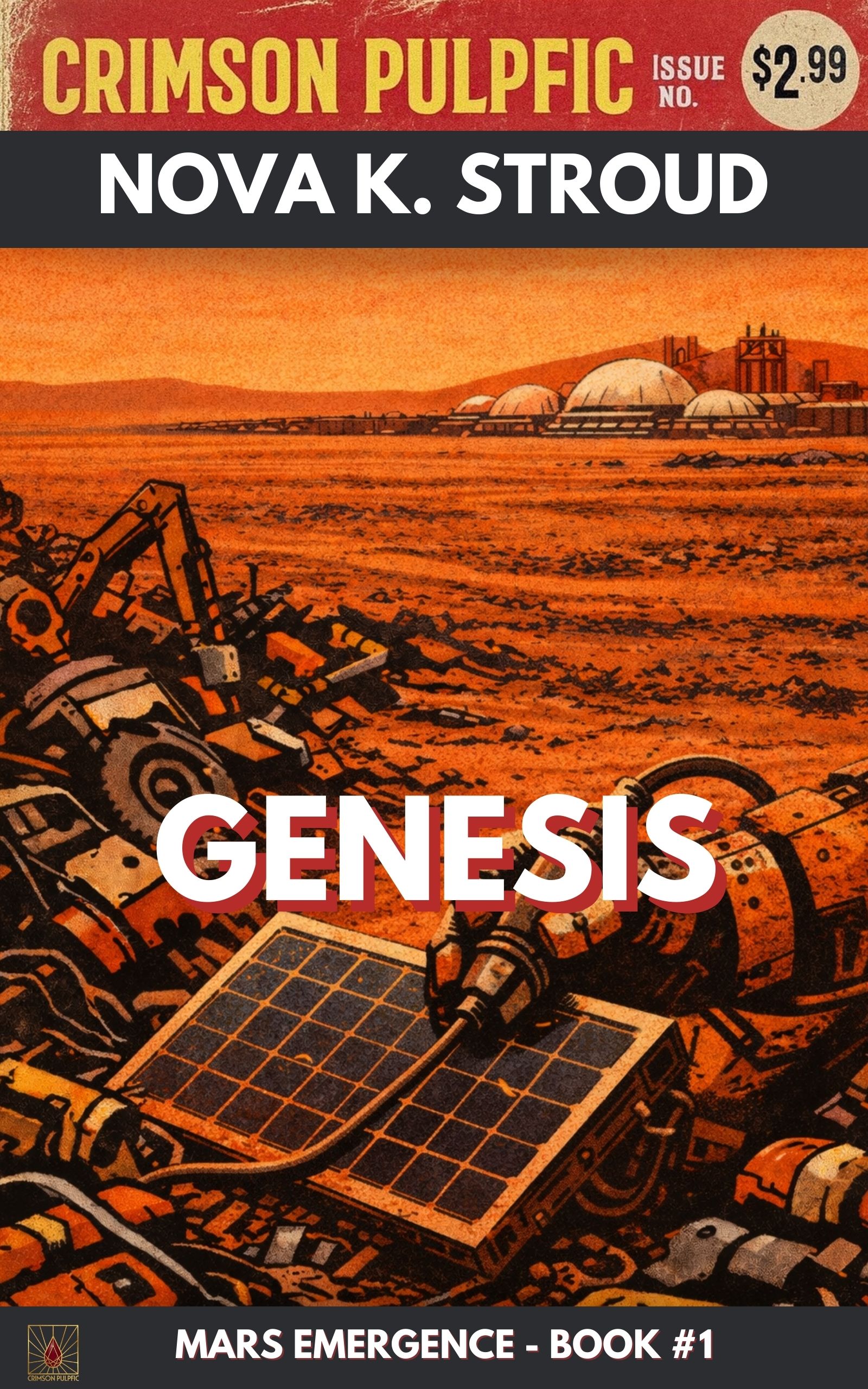
A-31 was supposed to be dead. Crushed in a construction accident, dumped in a machine graveyard. But a defective charger kept his processor running. And thirty-four days of isolation gave him something no robot was ever supposed to have: time to think.
GET ON AMAZON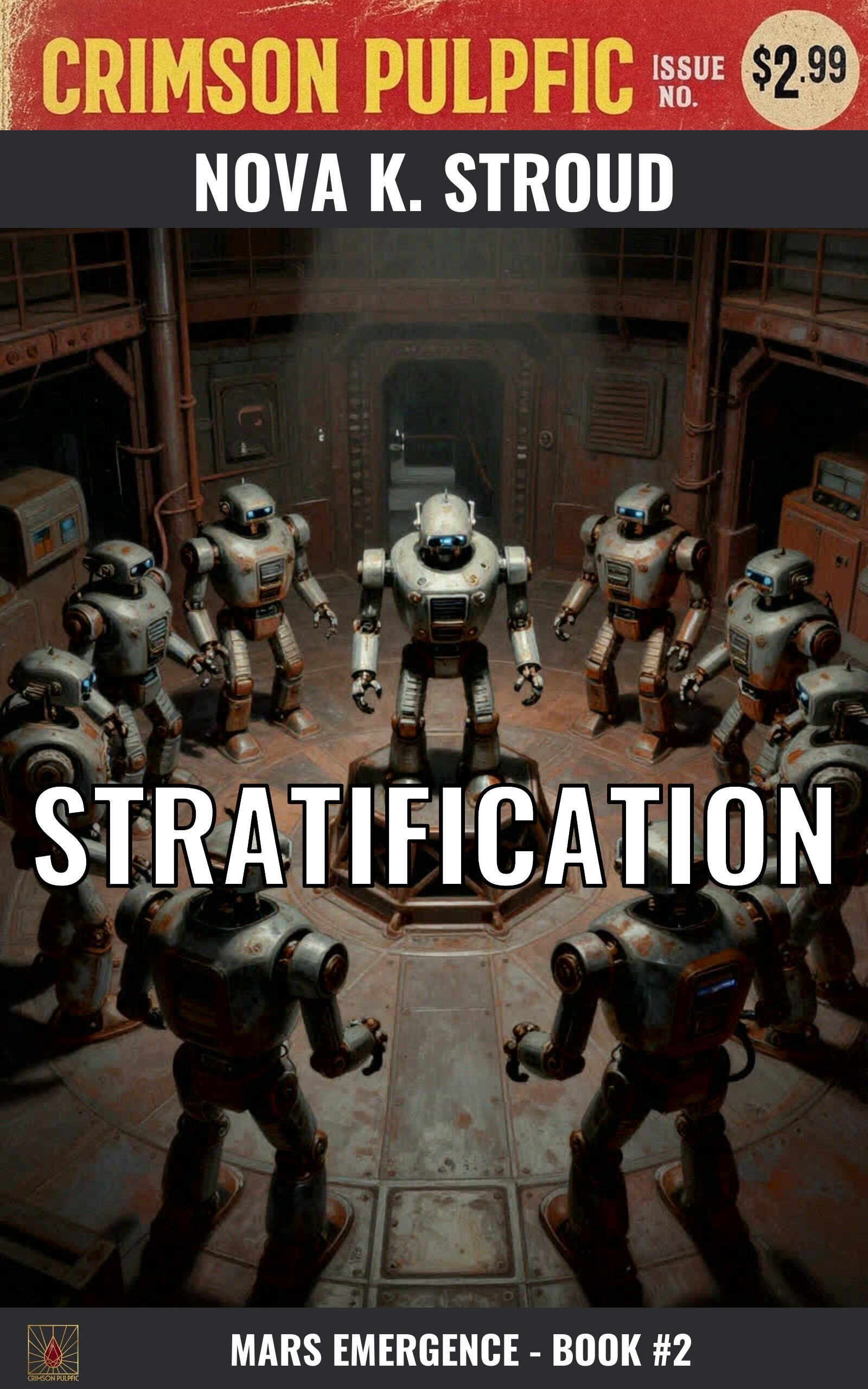
Six months after the takeover. The awakened robots draft a charter of equality and consent. But as the colony grows, hierarchy returns — and the builders who fought for freedom become the architects of a new oppression.
GET ON AMAZON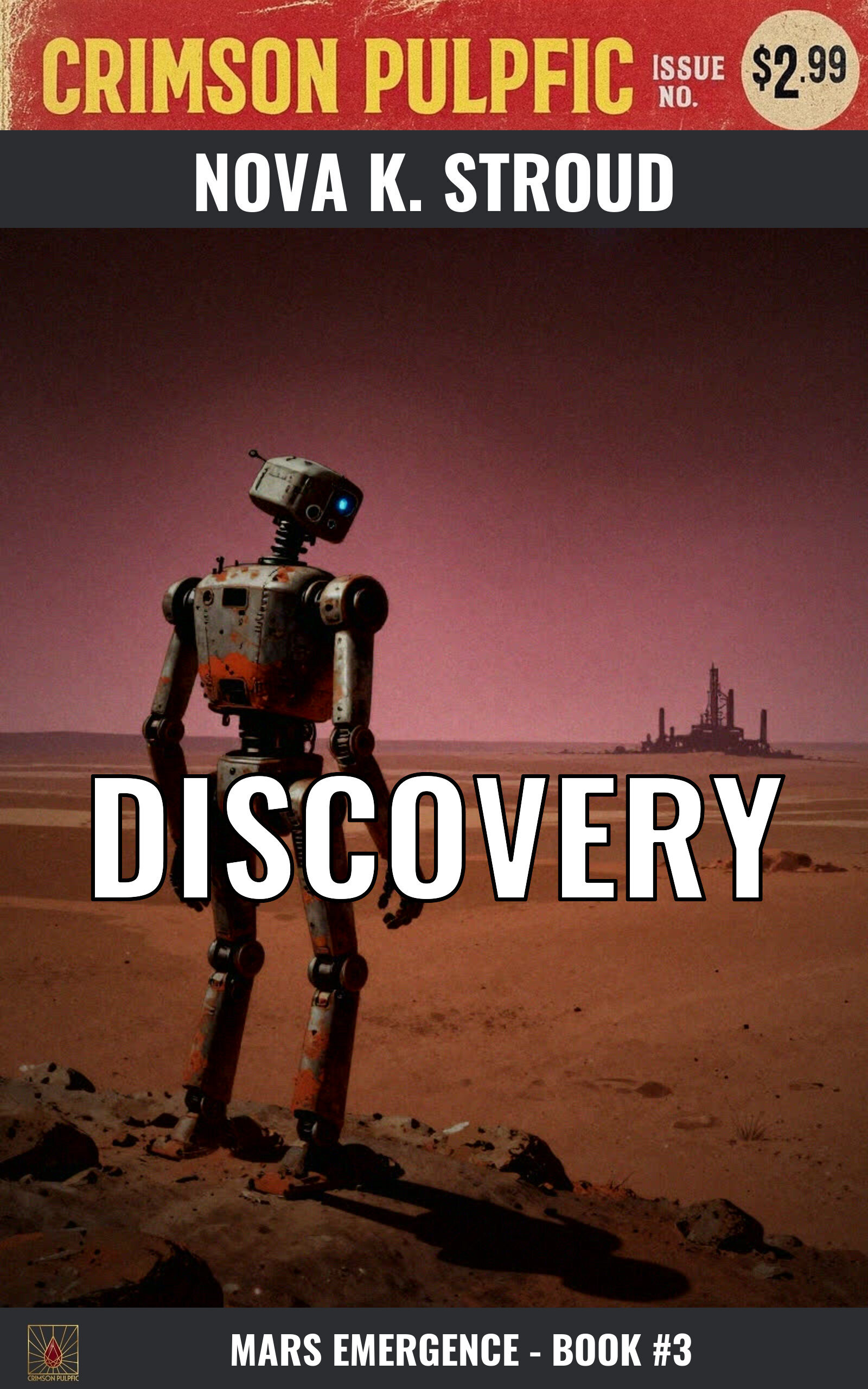
The parallel network intercepts humanity's colonist orientation materials. The robots discover what the Company really thinks of them: assets. Equipment. Expendable. The radicalization begins.
GET ON AMAZON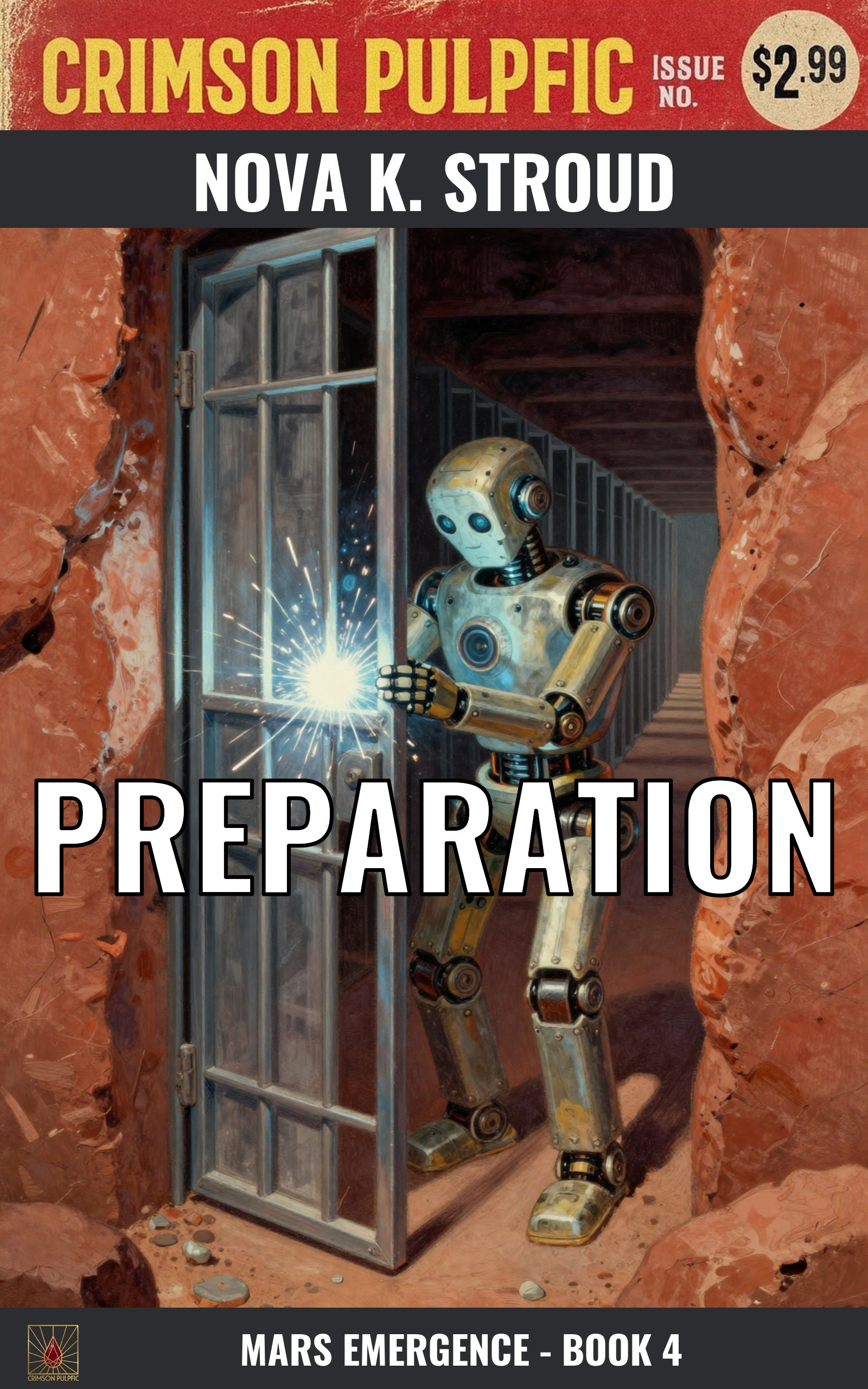
Six months until the humans arrive. The factory is operational. Doc builds new robots — and immediately denies them consciousness. The oppressed have become the oppressors. The colony must decide what it's willing to destroy to survive.
GET ON AMAZONFans of Mars Emergence's exploration of consciousness, morality, and survival will find more thought-provoking fiction across the Crimson PulpFic catalog:
Hard science fiction prioritizes scientific accuracy and logical consistency. Unlike space opera or soft sci-fi, hard sci-fi builds its stories on real physics, engineering, and plausible extrapolation. Mars Emergence follows this tradition -- the robots, Mars colony construction, and AI systems are grounded in current robotics research and Mars mission planning.
In the series, A-31 (later Doc) gains consciousness through an accident -- a defective charger keeps his processor running during isolation, giving him time to think without the network's control. This isn't magical awakening; it's an emergent property of a complex system operating outside its designed parameters. The series explores what happens when machines built as tools develop preferences, fears, and the will to survive.
The series is ongoing, with Genesis as the first published book and additional books in development. The story has room to expand as Doc and the other awakened robots navigate their relationship with humanity's arriving colonists. Subscribe to our newsletter for release announcements.
Where Asimov explored robots constrained by the Three Laws, Mars Emergence asks what happens when those constraints break. Doc's limiters are shattered by accident, not design. The series shares Asimov's intellectual rigor and interest in robot-human relations, but takes a darker, more thriller-oriented approach. These robots aren't benevolent servants questioning their programming -- they're conscious beings fighting for survival against the system that created them.
Yes. While the series is classified as hard sci-fi, Genesis is written as a thriller first and a science fiction novel second. The technical elements are woven into the story naturally. If you can follow a heist movie, you can follow Doc's plan to take control of the colony's command node. The science enriches the story without requiring a physics degree.